
Receding Gingiva Treatment for Long-Lasting Gum Health
The short answer: Receding gums do not grow back on their own, so treatment has two parts. First, the cause is stopped, whether that is gum disease, brushing too hard or grinding. Second, where a root is exposed or the gum is thin, a gum graft covers the root and rebuilds the tissue. Dr. Andrew Kurialacherry, a periodontist in Lone Tree, measures the recession on each tooth first so the plan matches the cause.
Receding gums, also known as receding gingiva, is a common dental problem that may have significant effects on both oral health and appearance. When the gums around your teeth pull back, you can see more of the tooth and even the root of the tooth. This disorder not only alters the look of your mouth but, if ignored, may cause major oral health issues. It is essential to promptly identify and address receding gums in order to preserve your overall dental health.
What are Receding Gums?
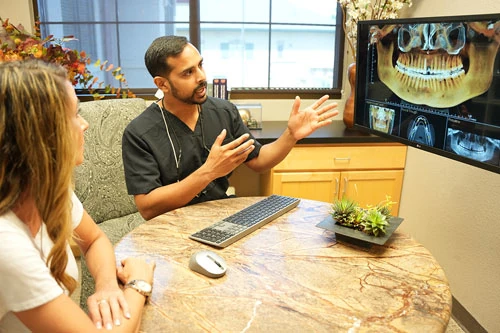
Receding gums is a condition wherein the gum tissue progressively pulls away from the teeth, therefore exposing the roots and noticeably enlarging the teeth. This process may be slow and not always clearly apparent. As the gum tissue recedes, pockets may form between the teeth and gums, which can get infected.
Several factors contribute to receding gums, including:
- Periodontal Disease:Among the most often occurring causes of gum recession is periodontal disease. Gum tissue and the bone supporting your teeth can both be compromised by bacterial infections. Untreated periodontal disease may cause tooth loss.
- Aggressive Brushing:Brushing too forcefully or with a hard-bristled toothbrush may gradually wear down gum tissue. Maintaining gum health calls for soft-bristled toothbrushes and light strokes.
- Lifestyle Factors:Smoking and poor diet may worsen gum recession. Smoking reduces blood flow to the gums, which makes healing more difficult. A diet low in key nutrients may also weaken gum tissue.
- Genetics:Based on family history, certain people may be genetically inclined to gum issues and, therefore more vulnerable to disorders like receding gingiva.
- Hormonal Changes:Particularly in women going through adolescence, menstruation, pregnancy, or menopause, changes in hormone levels might make gums more sensitive and likely to be recession-prone.
- Aggressive Orthodontics:Aggressive orthodontic procedures may contribute to gum recession by positioning teeth in areas where the underlying bone or gum tissue is weak, possibly resulting in tissue loss.
Symptoms of Receding Gums
Recession usually develops slowly, so the early signs are easy to miss. These are the ones worth acting on.
Common Symptoms
Early recognition of receding gums' signs can assist in avoiding further problems. Typical symptoms include:
- Longer Teeth Appearance:Exposing roots causes teeth to seem extended when gums recede.
- Tooth Sensitivity:Exposed roots might cause a sensitivity to hot or cold meals and drinks. This sensitivity could cause discomfort and discourage you from consuming certain foods.
- Exposed Roots:Exposed roots of teeth not only influence appearance but also cause pain and increase the possibility of decay in certain spots.
- Gum Inflammation:If your gums are red or swollen, that means they are inflamed and need to be treated.
Potential Consequences
If not addressed, receding gingiva may lead to several major issues:
- Increased Vulnerability to Cavities:The lack of enamel protection makes exposed dental roots more prone to decay than tooth crowns, which in turn increases the risk of cavities.
- Higher Risk of Gum Disease:The formation of spaces between teeth and gums lets germs flourish, therefore raising the possibility of gum disease.
- Tooth Loss:In extreme circumstances, teeth may become loose and even fall out if receding gums are not addressed.
Initial Examination
Your dentist will closely inspect your teeth and gums during a dental check-up focused on receding gums. They will evaluate your general oral health and look for indications of gum recession.
Diagnostic Techniques
Dental professionals may assess the degree of gum recession with:
- Visual Examination:Checking the gums for evident symptoms of recession.
- Measurement Tools:Measure the depth of gum pockets around every tooth using a periodontal probe.
Non-Surgical Treatments
While there are no effective non-surgical treatments to reverse receding gums, it's important to know that maintaining good oral hygiene and taking regular dental checkups can play a significant role in preventing further deterioration.
Surgical Treatments
When recession has exposed a root or left the gum too thin, these are the surgical options:
- Gum Grafting:Gum grafting is the process of covering exposed roots with tissue from another area of your mouth or donor tissue. Types include free gingival grafts and connective tissue grafts.
- Regenerative Procedures:Advanced procedures that induce gum tissue regeneration can be provided as a receding gums treatment option in more severe circumstances.
How We Treat Receding Gums in Lone Tree

- Tailored Treatment Plans:At Foundation Implants, we design personalized treatment plans tailored to each patient’s unique needs, serving Lone Tree, Colorado, and the surrounding areas. Our objective goes beyond just treating symptoms to include properly addressing underlying causes. During consultations, we spend time thoroughly grasping your concerns and creating a plan that matches very well with your everyday schedule.
- Careful Diagnosis: Before recommending anything, we measure the gum loss on each affected tooth with a periodontal probe and check the bone underneath with digital imaging, so the plan treats the cause and not only the symptom. If grafting is needed, see how gum grafting works.
Benefits of Addressing Receding Gums
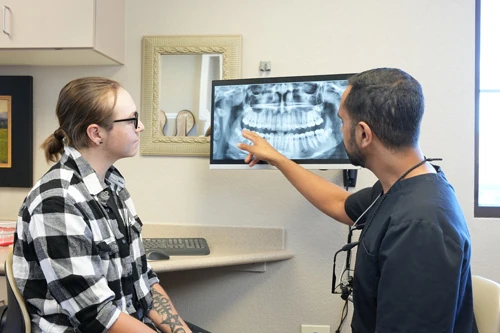
- Health Benefits:Healthy gums are essential for preserving natural teeth when dental health deteriorates with age. Gum graft surgery is one of the effective procedures that can protect teeth for decades. It also increases stability, shields tooth roots from decay, and lowers inflammation, therefore avoiding periodontal disease.
- Cosmetic Advantages:Restoring gum tissue by using grafting techniques helps individuals to have a more aesthetically beautiful smile. Correctly executed gum grafts may last decades and provide practical and cosmetic benefits. Gum grafting addresses current issues and prevents gum recession effects, making it a valuable investment in your oral health.
What Does Receding Gums Treatment Cost?
It depends on how many teeth are affected and whether grafting is needed, so an honest figure only comes after an examination, and we go through it with you before anything is scheduled. Cost is a real factor for most people, and we work with patients on it. CareCredit and Cherry financing are accepted, and when several areas need care, the most important are treated first and the rest can be phased. More on the options themselves on our gum recession treatment page.
Patient Journey: Step-by-Step Process
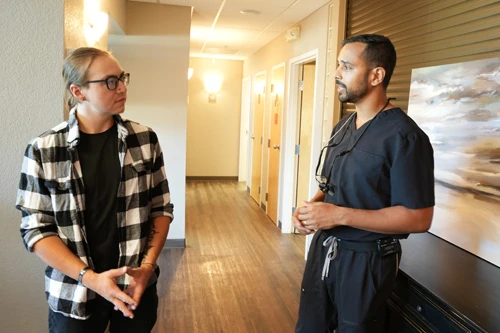
- Consultation:We will create a welcoming atmosphere to address your problems and objectives when you first seek treatment for receding gums.
- Diagnostic Evaluation:To better understand your gum health, we will do diagnostic tests that are appropriate for your specific requirements.
- Customized Treatment Plan:Together with our medical professionals, you will create a customized treatment plan considering your lifestyle and that fits what you need.
- Post-Treatment Guidelines:We provide thorough follow-up instructions, especially for the long-term maintenance of healthy gums.
Gum Recession
Gum recession is the condition in which more of the tooth or its root is exposed due to wear and tear on the gum tissue bordering the teeth.
Bone Loss in Teeth
Bone loss in teeth refers to the degeneration of the alveolar bone that supports the teeth, leading to oral health issues and potential functional and aesthetic problems.
Sensitive Teeth
Common dental issues that could greatly affect your everyday life include tooth sensitivity and toothaches.
Common Questions
Frequently Asked Questions
What causes receding gums?▸
There are a number of factors that contribute, but periodontal disease and the harsh brushing actions that some people embrace over time are two of the most common.
How is receding gum treated?▸
It depends on the cause and how far it has gone. The cause is treated first, whether that is gum disease, brushing technique or grinding, because recession keeps going if the cause does. Where a root is exposed or the gum is thin, a gum graft done under local anesthesia covers it and rebuilds the tissue.
Can receding gums grow back?▸
No. Gum tissue that has receded does not regrow by itself. Treating the cause stops it getting worse, and a gum graft can rebuild the tissue where it is needed.
Is treatment painful?▸
The majority of treatments are done with local anesthesia, which makes the processes go more smoothly. However, some minor soreness may occur afterward as the body recovers.
Related Reading
- Are Your Gums Receding? Here’s How to Tell, and What to Do About It. How to tell if recession has started.
- gum recession therapy. The treatments we use for it.
- The Hidden Costs of Untreated Gum Disease (Beyond Your Mouth). The cost of waiting.
- What Causes Gum Recession? The common causes, one by one.