
Effective Treatment for Gum Disease and Improved Oral Health
The short answer: A deep cleaning, known clinically as scaling and root planing, removes hardened tartar and bacteria from below the gum line, where brushing and flossing cannot reach, and smooths the root so the gum can heal against it. It is a non-surgical treatment for gum disease, done with the area numbed, and usually takes one to two hours depending on how much needs treating. Some tenderness afterward is normal and settles within a few days.
What is a Deep Cleaning (Scaling & Root Planing)?
Scaling and root planing is a non-surgical procedure that removes plaque and tartar buildup from above and below the gum line. Plaque is a sticky film of bacteria that forms on teeth daily. If left unchecked, plaque hardens into tartar (calculus), which is difficult to remove with brushing and flossing alone.
The procedure is recommended for people with gum disease, often known as periodontitis. Gum disease is an inflammatory disorder that affects the tissues around the teeth. When left untreated, it may cause bone loss, receding gums, and even tooth loss. Scaling and root planing stops the progression of gum disease and promotes healing.
Signs You Might Need a Deep Cleaning
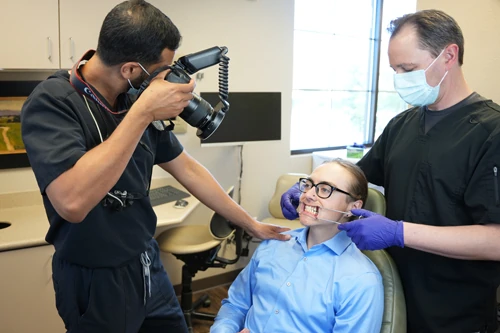
Below are some typical gum disease signs that may signal the need for a deep cleaning:
- Bleeding gums during brushing or flossing
- Persistent bad breath (halitosis)
- Redness or swelling of the gums
- Receding gums, making teeth appear longer
- Loose or shifting teeth
- Tenderness or pain when chewing
During a normal dental visit at Foundation Implants & Periodontics, we will evaluate your gums for signs of inflammation and search for gum pockets, places between the tooth and the gum tissue where germs may build up. The depth of these pockets suggests the degree of gum disease and the necessity of dental scaling and root planing.
Scaling
During scaling, plaque and tartar are removed both above and below the gum line. We will use specifically designed tools like ultrasonic and manual scalers to gently remove these deposits. Using vibrations and water, ultrasonic scalers effectively loosen and eliminate tartar and plaque while minimizing discomfort.
Root Planing
For dental roots exposed by gum disease, root planing smooths their rough surfaces. This procedure removes bacteria, toxins, and any residual tartar that have embedded themselves deep into the bone, root surfaces, and gums. By removing these harmful substances mechanically, root planing provides a clean and healthy surface for the gums to reattach to the teeth and heal.
Benefits of Scaling & Root Planing
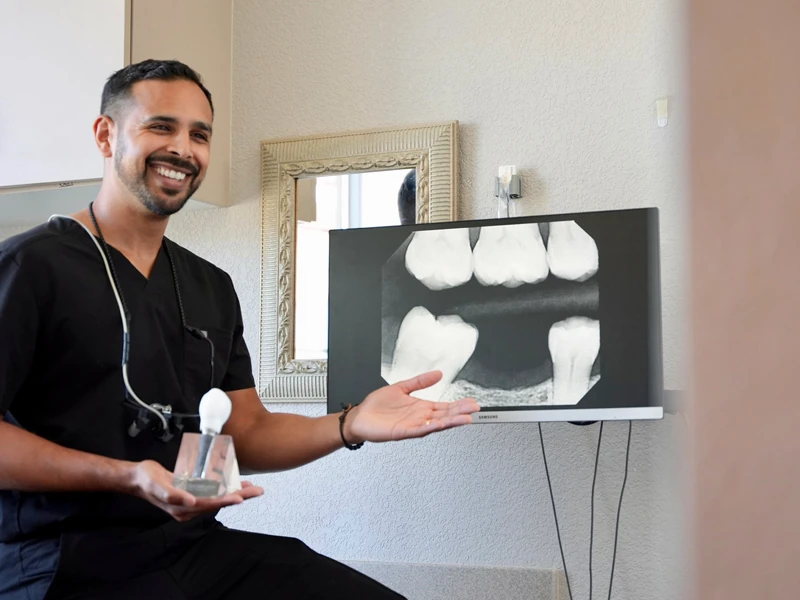
Periodontal scaling and root planing provides several benefits for your general and dental health:
- Health Benefits:The effective elimination of germs causing gum disease by this procedure helps to stop further damage to tissue and bone loss. It also reduces inflammation, therefore enhancing overall oral health.
- Aesthetic Benefits: By lowering gum inflammation, cleansing breath, and exposing better-looking gums, scaling and root planing can enhance the look of your smile.
- Long-Term Benefits: Scaling and root planing assist in keeping teeth and gums healthy, which in turn helps to prevent cavities and promotes health benefits over time. Research has proven that chronic periodontal disease inflammation has been linked to various health disorders like heart disease, diabetes, and Alzheimer's disease. Taking care of your gums can help your overall systemic health.
What to Expect During and After the Procedure
- During the Procedure:We might use a local anesthetic to numb the area under treatment so you are comfortable. Depending on the degree of the gum disease, the therapy often takes one to two hours.
- After the Procedure:The procedure might cause you slight discomfort and gum sensitivity. Cold compresses and over-the-counter medications allow one to tackle this. After scaling and root planing, we will provide you with full instructions on oral and gum care. This involves a balanced diet, regular brushing, and flossing with a recommended mouthwash.
Our Approach to a Deep Cleaning
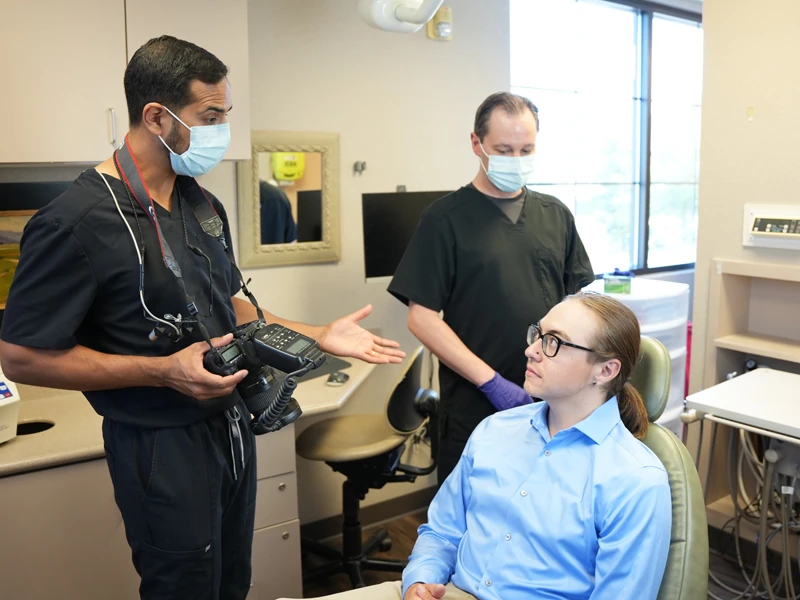
Our main objective at Foundation Implants & Periodontics is to provide every patient with individualized dental treatment. Located in Lone Tree, Colorado, we spend some time learning about your specific issues and concerns before suggesting any therapy, including scaling and root planing. Dr. Cherry explains what he finds and what each step involves before anything starts.
Wherever we can, we aim to use non-surgical alternatives. Scaling and root planing is a highly effective treatment option for gum disease and the preservation of long-term oral health. Surgery is only something we will suggest if it is absolutely essential.
Do I Really Need a Deep Cleaning Every Year?
No, and being told you do is worth paying attention to. A deep cleaning is meant to get gum disease under control, followed by regular periodontal maintenance visits that keep it there. If a deep cleaning is being repeated every year or so, the disease is not staying stable, and that is the point to see a periodontist. When the pockets are too deep for a cleaning to reach, osseous surgery may be the next step.
How Much Does a Deep Cleaning Cost?
It depends on how many areas of the mouth need treatment and how deep the pockets are, so an honest figure only comes after the examination, and we go through it with you before the cleaning is scheduled. Cost is a real factor for most people, and we work with patients on it. CareCredit is accepted, and when several areas need care, the most important are treated first.
Common Questions
Frequently Asked Questions
What are some potential side effects of scaling and root planing?▸
Following the procedure, you might experience a little discomfort, bleeding, and minor gum sensitivity. They are very common and will go away in a few days.
How often will I need scaling and root planing?▸
The goal of our office is to provide scaling and root planing once, and then to stabilize the disease so that it won’t be needed again. Unfortunately, the degree of your gum disease and your dental hygiene habits define the frequency of this procedure. While people with severe gum disease may require this procedure more often in addition to other periodontal treatments, those that maintain their regular visits and oral hygiene at home will be less likely to need it.
Is scaling and root planing painful?▸
Scaling and root planing is a minimally invasive procedure, and because we numb the treatment area first, the cleaning itself is comfortable for most patients. Some tenderness afterward is normal.
Can I prevent the need for scaling and root planing?▸
The most successful way to prevent gum disease and the need for scaling and root planing are frequent dental visits and good homecare. This calls for eating healthily, flossing often, and brushing your teeth twice a day for two minutes with fluoride toothpaste. Early detection and treatment of gum disease depend also on periodic dental checkups and cleanings.
Related Reading
- Periodontal Disease 101: The Stages, the Signs, and What to Do at Each One. Where scaling and root planing fits.
- Bleeding When You Brush: It’s Not Normal, and Here’s Why That Matters. Why gums bleed in the first place.
- Good Bacteria vs. Bad Bacteria: Understanding Your Oral Microbiome. The bacteria being removed.