
Professional Techniques for Addressing Bone Loss
Bone loss in teeth is a serious issue that impacts not just oral health but also your overall well-being. Various reasons might cause the alveolar bone supporting our teeth to degenerate, which would cause problems affecting both aesthetics and functionality. This condition is linked directly to jaw bone loss, which may impact dental stability and alter facial structure.
More than 70% of those aged 65 and over suffer from periodontal disease, which is a major cause of gum bone loss. This alarming number emphasizes how critical this issue is. This emphasizes the need for early identification and therapy. Early treatment helps us avoid more serious problems including tooth loss and changes in jaw structure which compromise our ability for effective chewing and speaking, ultimately maintaining your quality of life as you age.
What is Bone Loss in Teeth?
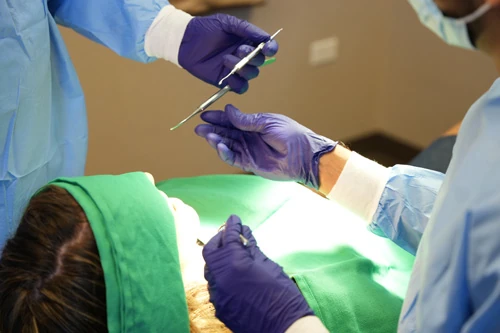
In teeth, bone loss is the specific decline of the alveolar bone—the bone around and supporting your teeth. Several issues might result from the loss of this bone, including:
- Tooth Mobility:Inappropriate support may cause teeth to become loose or shift position.
- Aesthetic Changes:Loss of bone may cause the face to sink, therefore influencing one's smile and overall appearance.
Causes of Bone Loss
Prevention and treatment depend on an awareness of various causes of tooth bone loss. Common factors include the following:
- Gum Disease (Periodontal Disease):This bacterial infection affects the gums and may cause inflammation, damaging the bone that supports the teeth.
- Tooth Loss:Tooth loss causes the surrounding bone to degenerate owing to a lack of stimulation. The roots of teeth are essential for maintaining bone density; without them, the body reabsorbs the bone.
- Trauma or Injury:Localized bone loss might follow from jaw injuries brought on by accidents. One might get this via a fall or a sports accident.
- Prolonged Tooth Pressure:Conditions such as misalignment or bruxism—that is, tooth grinding—may cause too much pressure on certain teeth, therefore degrading the supporting bone.
Symptoms of Bone Loss in Teeth

Preventing further degradation may depend much on early recognition of the signs of gum bone loss. Common indicators include:
- Receding Gums:When gums peel away from the teeth, more tooth structure is exposed, which may cause discomfort.
- Increased Tooth Mobility:When you bite down, you might find that your teeth feel loose or move position.
- Sensitivity or Pain:Consuming hot or cold food might cause underlying problems with your gums and bones to show increased sensitivity or discomfort.
Other signs might include gum disease-related poor taste in your mouth or ongoing foul breath.
Diagnosis of Bone Loss
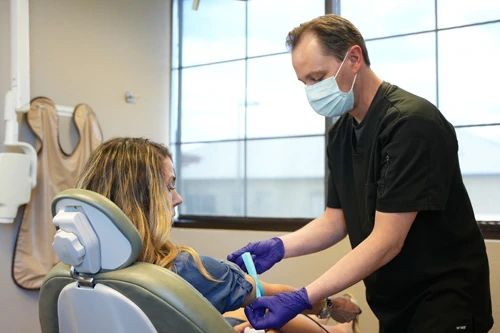
Determining tooth bone loss calls for a thorough dental examination. Your visit to Foundation Implants should yield the following:
- Dental Examination:Your periodontist will carefully visually check your teeth and gums for evidence of gum disease and other problems.
- X-rays:Evaluation of the degree of bone loss depends critically on these images. They let us know how much bone has been lost around your teeth.
Assessment Techniques
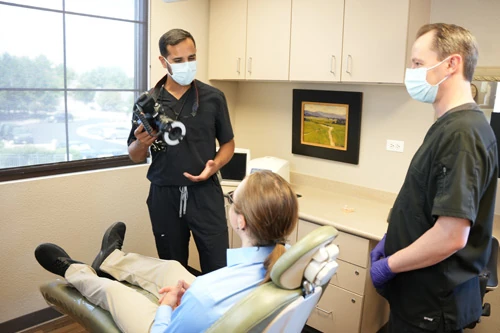
In addition to X-rays, We also use advanced diagnostic tools at Foundation Implants:
- Cone Beam Computed Tomography (CBCT):With 3D pictures of your jawbone produced by cone beam computed tomography (CBCT), accurate measures of bone density and volume are made possible.
Treatment Options for Bone Loss in Teeth

Once discovered, the degree of your disease will determine the many options for tooth bone loss treatment available.
Non-Surgical Treatments
In the early stages of gum bone loss, non-surgical therapy might be sufficient.:
- Basic Cleanings:Regular dental cleanings remove tartar and plaque, therefore preserving oral hygiene.
- Scaling & Root Planing:Targeting germs below the gum line, this deep-cleaning process helps to promote better gums and stop further deterioration.
Surgical Treatments
More severe situations might call for surgical interventions. The choice among these therapies relies on the specific situation and degree of dental bone loss:
- Dental Implants:Artificial tooth roots called dental implants are sunk into the jawbone. They not only fill in for lost teeth but also encourage the growth of bones, hence preserving jaw structure.
- Bone Regeneration Techniques:Methods such as directed bone regeneration allow for us to surgically regrow bone and attachment to teeth when possible.
- Biologic Agents:We use the most advanced growth factors and techniques to aid the regeneration and growth of bone and soft tissue along our teeth.
Preventing Bone Loss
Maintaining strong bones in your mouth depends on preventative care. Here are a few practical suggestions:
- Good Oral Hygiene Practices:Good oral hygiene practices include flossing routinely to eliminate plaque accumulation causing gum disease and brushing twice daily with fluoride toothpaste.
- Regular Dental Check-Ups:Regular dental check-ups allow issues to be detected and treated early, before they become more serious.
- Healthy Diet:A healthy diet rich in calcium (dairy, leafy greens) and vitamin D (sunlight or supplements) aids bone health. Antioxidant-rich foods and vegetables may also help gums.
Furthermore, stopping smoking can greatly lower your risk of periodontal disease resulting in dental bone loss.
Why Choose Us for Bone Loss Treatment in Lone Tree, Colorado?
At Foundation Implants, located in the heart of Lone Tree, Colorado, we take great satisfaction in providing outstanding tooth bone loss treatment catered especially to your specific needs. Reasons why you should choose our services:
- Experienced Dental Professionals:Our dental professionals are experts in identifying and treating dental bone loss. Regular learning keeps us updated.
- Advanced Diagnostic Technologies:At our Lone Tree clinic, we use CBCT imaging to accurately analyze and plan our therapy.
- Commitment to Patient Education:We think educated people make better health choices. To ensure you understand every step, our staff takes time to clarify processes.
What causes bone loss in teeth?
The main reasons include periodontal disease, missing teeth, trauma, and misalignment difficulties. Regular dental check-ups may help detect these issues early.
How can bone loss be treated?
Treatment options include dental implants, bone grafting procedures, and regenerative therapies. Your particular circumstances and degree of bone loss will determine the best course of action
Common Questions
Frequently Asked Questions
What causes bone loss in teeth?▸
The main reasons include periodontal disease, missing teeth, trauma, and misalignment difficulties. Regular dental check-ups may help detect these issues early.
How can bone loss be treated?▸
Treatment options include dental implants, bone grafting procedures, and regenerative therapies. Your particular circumstances and degree of bone loss will determine the best course of action
Related Reading
- Chronic Inflammation: The Silent Thread Connecting Your Gums to Your Health. The inflammation link.
- Periodontal Disease in Colorado: What Local Data Tells Us. How Colorado compares.
- How Common Is Gum Disease? The Numbers May Surprise You. How common gum disease actually is.