
Effective Treatment for Receding Gums
What is a gum graft? A gum graft is a short surgical procedure that covers an exposed tooth root, or thickens thin gum, using a small piece of tissue from the roof of your mouth or donor tissue. It is done under local anesthesia and usually takes one to two hours. Most patients are back to normal activities within a day or two, with full healing over a few weeks. At Foundation Implants in Lone Tree, CO, Dr. Cherry offers several grafting techniques and matches the one used to your case.
Understanding Gum Grafting
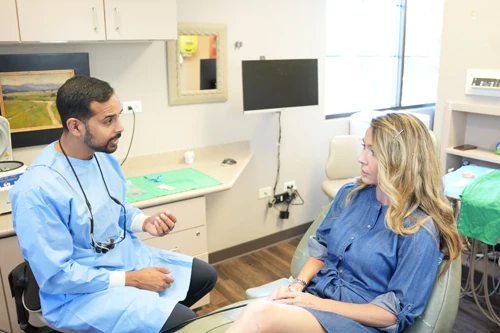
Designed to prevent gum recession, gum grafting (also known as gingival grafting) is a surgical procedure. This condition arises when the gum tissue that envelops the teeth erodes or retracts, thereby revealing a greater portion of the tooth or its root. A gum graft is the process of transplanting gum tissue from one location of your mouth to sites where the gums have receded. The opposite concern, where too much gum tissue covers the teeth, is treated with gingival shaping instead.
Gum graft treatment primarily serves two purposes:
- To guard your teeth from the destructive consequences of a gum recession
- To make your smile more aesthetically pleasing
Importantly, gum grafting enables us to repair the effects of aging and trauma on your gums. It’s a highly predictable method that’s been improved over decades and has a high success rate.
Signs You Might Need Gum Grafting
Early identification of gum recession symptoms will help to guide more successful treatment. Typical symptoms include:
- Increased tooth sensitivity, particularly with temperature—hot and cold
- Visible tooth roots
- Teeth appearing longer than normal
- Discoloration along the gum line
- Inflammation or bleeding of the gums
We will identify gum recession and ascertain whether gum grafting is the appropriate course of action for you during a thorough dental check-up.
Types of Gum Grafting Procedures
At Foundation Implants, we offer several types of gum graft procedures, each tailored to meet specific patient needs:
- Connective Tissue Grafts:The most often used type of gingival gum graft is a connective tissue graft. A small incision is made at your mouth's roof, and then connective tissue is taken from beneath it and sewn to the gum tissue surrounding the exposed root.
- Free Gingival Grafts:Perfect for those with thin gums, this approach involves attaching a little piece of tissue straight from the roof of the mouth to the impacted area. The graft is kept thin, usually less than 0.75 mm, to limit discomfort at the donor site.
- Pedicle Grafts:Pedicle grafts involve the use of gum tissue near the impacted tooth. A pedicle is a flap that is partially cut away and stretched to cover the exposed root. This method is only suitable for people who have a lot of gum tissue around the affected tooth.
- Allografts:For those who would rather not use their own tissue, we provide allograft choices made from synthetic materials or donor tissue. This avoids the need for a second surgical site in the mouth.
Benefits of Gum Grafting
Gum grafting has many advantages that go beyond merely curing recession:
Health Benefits
- Prevents further gum recession and bone loss
- Reduces tooth sensitivity
- Protects tooth roots from decay and damage
- Improves overall gum health
Aesthetic Benefits
- Creates a more even gumline
- Improves the symmetry of your smile
- Covers exposed tooth roots, enhancing the appearance of your teeth
Functional Benefits
- Stabilizes loose teeth
- Improves comfort while eating and speaking
- Enhances the effectiveness of oral hygiene practices
What Happens During a Gum Graft?
At Foundation Implants, we have developed our gum grafting procedure to assure patient comfort and optimal results:
Initial Consultation
- Comprehensive examination of your oral health
- Discussion of your concerns and aesthetic goals
- Development of a personalized treatment plan
Procedure
- Administration of local anesthesia to ensure your comfort
- Careful preparation of the recipient site
- Precise placement of the graft material
- Securing the gingival gum graft with fine sutures
Recovery and Aftercare
- Detailed instructions for post-operative care
- Prescription of appropriate pain management medication if needed
- Schedule for follow-up appointments to remove sutures and monitor healing
Gum Graft Recovery: What to Expect
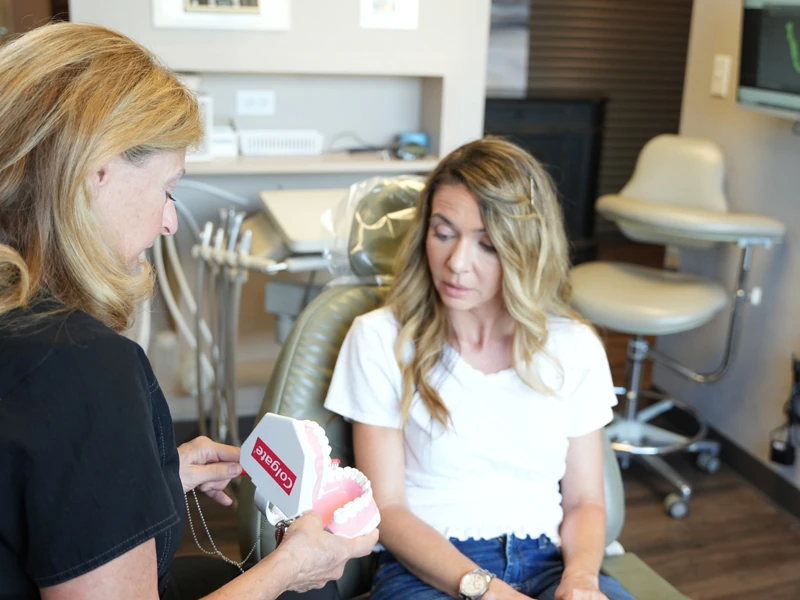
Because of the local anesthetic and our careful approach, you should have very little discomfort during the treatment. The gum graft surgery usually takes 1-2 hours, depending on the amount of grafting required.
You may have some swelling and slight discomfort a few days following the procedure. We provide thorough aftercare guidelines relating:
- Dietary guidelines to protect the graft site
- Oral hygiene practices to maintain during healing
- Activities to avoid during the recovery period
While complete recovery takes a few weeks, most patients are able to resume their regular activities in a day or two.
How Much Does a Gum Graft Cost?
The cost of a gum graft depends on how many teeth need it and which technique suits your tissue, so an honest figure only comes after Dr. Cherry has examined the area, and we go through it with you before anything is scheduled. Cost is a real factor for most people, and we work with patients on it. CareCredit is accepted, and when several areas need treatment, the most important ones are treated first and the rest can be phased.
Our Approach to Gum Graft Treatment

- Personalized Care:At Foundation Implants, we take great pride in providing individualized treatment fit for every patient's need. Dr. Cherry, a periodontist in Lone Tree, Colorado, plans each graft around your tissue type and the cause of the recession.
- Experienced Team:We stress patient comfort all through the oral health process because we understand that these treatments can be worrying. Our team in Lone Tree, works to provide a pleasant, reassuring experience from your first visit to your final follow-up.
- Advanced Techniques:We prioritize the reduction of discomfort and the optimization of outcomes in our modern techniques. Using microsurgical instruments and magnification, we can perform precise, less intrusive procedures that result in faster healing and better results.
Common Questions
Frequently Asked Questions
Is gum graft treatment painful?▸
Throughout the procedure, we prioritize your comfort. Most patients have minimal discomfort during surgery thanks to local anesthetic and our mild approach. Usually minor, any post-operative pain can be controlled with over-the-counter meds.
How long does it take to recover from gum grafting?▸
Although you can normally resume daily activities in one day or two after a gum graft for receding gums , however, total recovery takes several weeks. We will send you a thorough chronology and rehabilitation guide catered to your particular situation.
How long do the results of gum grafting last?▸
With good oral hygiene and regular dental check-ups, the benefits of gum grafting can last a lifetime. We will provide you guidance on maintaining your results over time.
Foundation Implants & Periodontics performs gum grafting for patients across Lone Tree, Highlands Ranch, Parker, Centennial, and the greater south Denver area.
Related Reading
- Are Your Gums Receding? Here’s How to Tell, and What to Do About It. Spotting recession early.
- 5 Warning Signs of Gum Disease You Shouldn’t Ignore. The warning signs that precede it.
- other periodontal procedures. The rest of what we offer.
- Gum recession treatment options. Where grafting fits among them.
- Gum grafting to protect teeth and implants. Grafting before recession starts.