
The short answer: Osseous surgery, also called flap surgery, treats advanced gum disease when the pockets around the teeth are too deep for a deep cleaning to reach. The gum is gently lifted so the roots can be cleaned and the bone reshaped to remove the ledges where bacteria collect, then the gum is closed back against the tooth. Initial healing usually takes about a week, with full recovery over several weeks. The goal is to do the surgery once, then keep the result stable with regular maintenance for life.
Restore Healthy Gums and Teeth with Expert Gum Flap Surgery
Among the most sophisticated methods available in periodontal treatment nowadays is osseous surgery, especially gum flap surgery. These techniques are meant to treat extreme periodontal diseases, restore gum and bone health, and improve oral functioning. Foundation Implants is dedicated to providing effective treatments using dental osseous surgeryas we understand the importance of keeping healthy gums and teeth.
Through efficient treatment of gum disease, restoration of bone structure, and enhancement of overall oral health,osseous surgeryis very essential in periodontal treatment. Addressing the fundamental problems with periodontal disease will enable our patients to have not just improved dental hygiene but also a more confident smile.
What is Osseous Surgery?
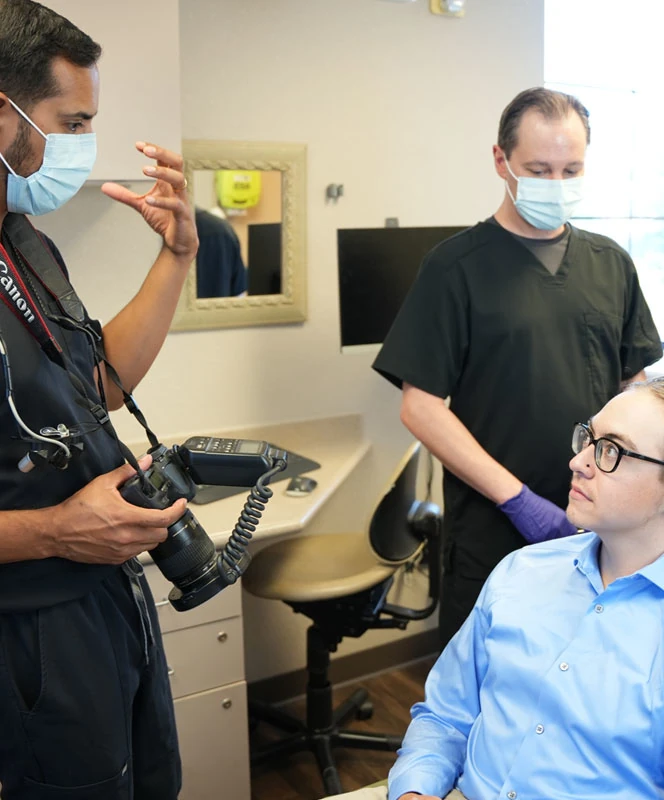
Designed to restore bone loss and reshape the bone and gum tissue around the teeth,periodontal osseous surgeryis a specialist periodontal surgical treatment. Those with severe gum disease or those who have suffered from significant bone loss would especially benefit from this type of treatment.
Conditions Treated Among the many issues treated byflap osseous surgeryare:
- Advanced gum disease.
- Bone loss due to periodontal infections.
- Deep periodontal pockets that trap bacteria.
- Infections that require surgical intervention.
How it Works Dr. Cherry carries out treatments involvingflap osseous surgerythat include:
- Bone recontouring:Reshaping the bone to remove areas where germs could gather is known as bone recontouring.
- Removal of damaged tissue:Eliminating damaged tissue helps to encourage healing by cleaning out afflicted regions.
- Restoration of gum tissue:Reattaching healthy gum tissue to the recently formed bone will provide the best support.
- Creating a maintainable architecture:Once the defects are removed, bacteria can no longer accumulate and cause further bone loss, thus stabilizing your gum disease!
Gum Flap Surgery (Gingival Flap Surgery)
Gum flap surgery orgingival flap surgeryis the lifting of gum tissue to access the underlying bone. This lets one treat the affected areas directly. Patients with advanced gum disease, major bone defects, or ongoing infections usually undergo gingival flap surgery.The advantages ofgum flap surgeryinclude:
- It is easier to clean the surfaces of the tooth.
- Extraction of the infected gum.
- It becomes easier to reshape the bone so that it can be in good shape.
Laser Osseous Surgery
Innovative laser technology enables periodontal infection treatment through minimally invasiveosseous gum surgery. This method minimizes damage to surrounding healthy structures while removing diseased tissue effectively.
Please note thatlaser osseous surgeryis a selective procedure that may not suit all patients. It is effective in cases of periodontal diseases resistant to standard therapies.
The benefits include:
- Reduced bleeding during the procedure.
- Minimized discomfort post dental flap surgery.
- Quicker recovery times compared to traditional methods.
Traditional Osseous Surgery
In traditional periodontal flap surgery, the gum tissue is lifted so as to allow access to the underlying bone. By reshaping the bone, this approach helps to cure severe periodontal diseases for easier cleaning.
This procedure helps in:
- Cleaning root surfaces effectively.
- Reshaping bone for improved support.
- Reattaching healthy gum tissue to promote healing.
Bone Graft and Osseous Surgery
In cases of advanced periodontal disease,osseous surgerycan be paired together with bone grafting for regeneration. These osseous grafts serve to restore lost bone and reshape existing structures. Such a patient-focused medical intervention will be very useful to those who have deep pockets or significant bone loss requiring added support.
Health Benefits
- Reduced periodontal pockets and gum inflammation.
- Preventing future bone loss and gum tissue recession.
- Improved tooth stability and functionality.
- Enhanced ability for patients to maintain better oral hygiene through improved cleanability.
Aesthetic Benefits
- Restoring the gum contour and bone structure to their natural state improves the aesthetics of the smile.
- Better symmetry and overall health of the gums after surgery.
Long-Term Oral Health
- Improved ability to maintain dental hygiene and prevent future infections.
- Preserving natural teeth and lowering the risk of tooth loss.
Consultation and Diagnosis
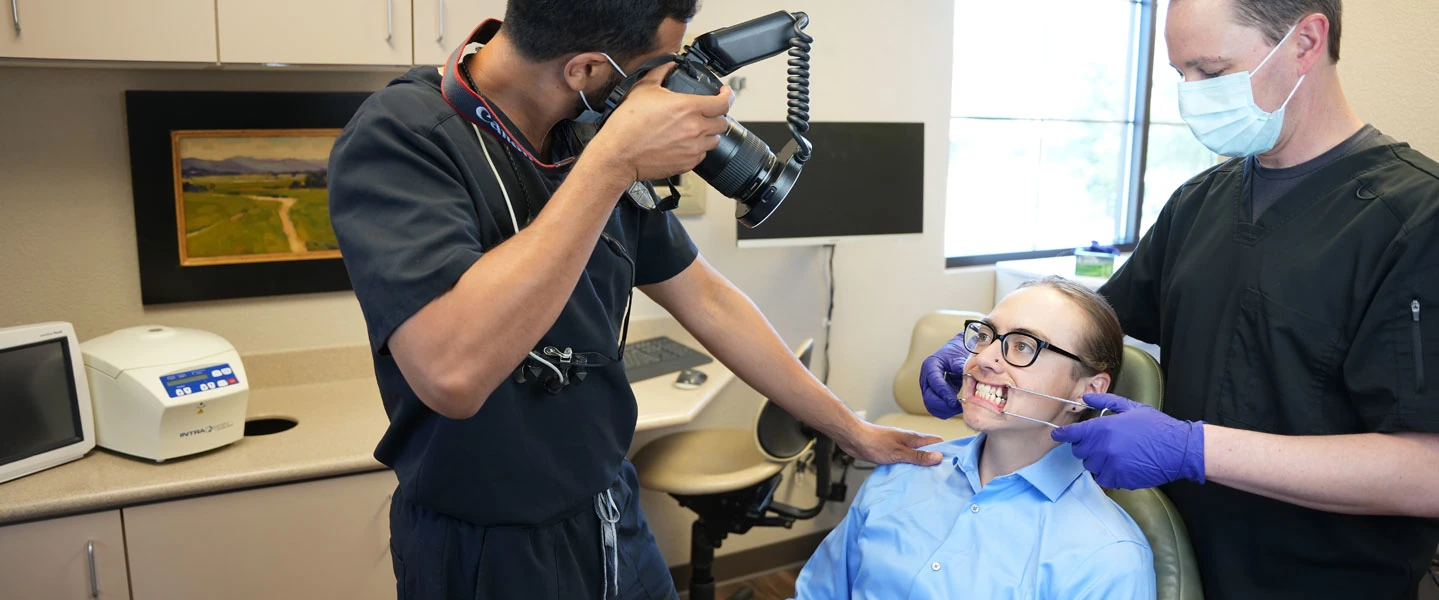
To kick off your journey towards a brand new smile, our experts will do a thorough assessment of what you require. They will use X-rays and probing to determine if there is any level of bone loss. A custom-made plan is then created as per your requirements.
Step-by-Step Procedure
- Pre-surgical preparation:Pre-surgical preparation calls for using calming strategies and anesthesia to keep you comfortable.
- Surgical steps:
- Carefully lifting the gum tissue to reveal the bone underneath.
- Reshaping the bone as needed.
- Closing the gums securely to promote healing.
- Post-operative care:We provide guidelines for recovery, including pain management strategies and follow-up visits.
Recovery Process
The recovery in periodontal osseous surgery is typically divided into various phases. The patient will initially experience discomfort and swelling, however, it subsides within days. Quick healing is possible with good oral hygiene in this phase.
Why Choose Us for Osseous Surgery?
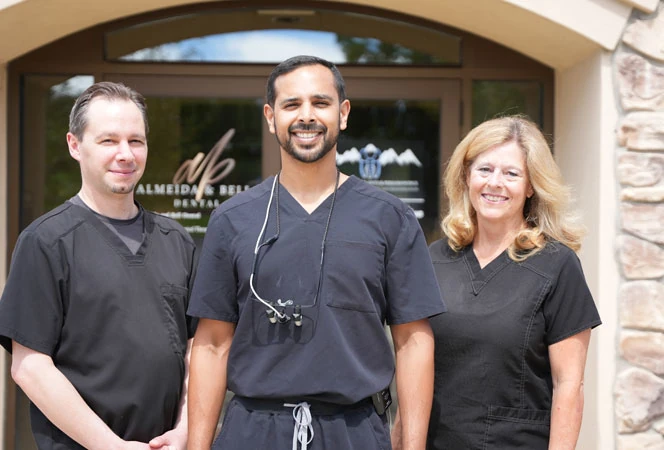
- A Periodontist Performs It: Dr. Cherry is a periodontist, the dental specialty trained in exactly this surgery, and he performs and follows up each case himself. If you are not sure you need surgery yet, a deep cleaning usually comes first.
- Cutting-Edge Technology At Foundation Implants in Lone Tree, Colorado, we use innovative technologies and approaches like laser osseous surgery and other procedures that reduce invasiveness and improve recovery periods.
- Personalized Care We take great pride in offering individualized treatment plans that effectively fulfill specific patient needs. Our objective is always to get the best results with minimal discomfort.
Common Questions
Frequently Asked Questions
What is the recovery time for osseous surgery?▸
Though everyone recovers differently, usually initial healing takes one week at the most. Depending on personal health factors, full recovery could take several weeks.
Is osseous surgery painful?▸
While some discomfort is normal after osseous gum surgery , we prioritize pain management options to keep you comfortable throughout the procedure. Usually cold sensitivity increases after surgery, but goes away very quickly.
How long do the results of osseous gum surgery last?▸
If good oral hygiene practices are followed together with frequent dental checkups, the results can last for a long time. Our team of experts will offer directions on how best to long-term preserve your results.
Related Reading
- Periodontal Disease 101: The Stages, the Signs, and What to Do at Each One. The stage that leads to surgery.
- post-surgery recipes. What to eat while healing.