
Understanding Bruxism: Clenching and Grinding
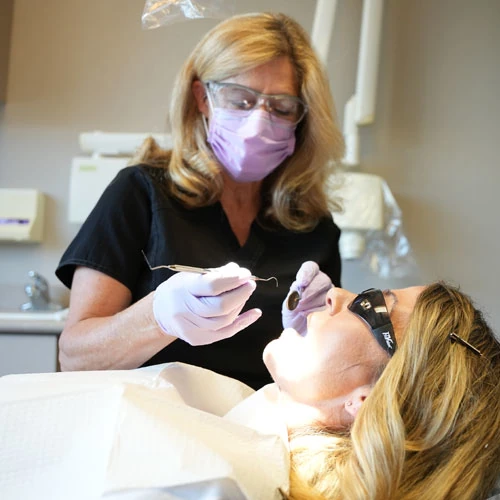
Bruxism — the habitual clenching or grinding of teeth — is a remarkably common condition that many people don’t realize they have. It often occurs during sleep or during periods of stress and concentration. While occasional grinding may not cause significant harm, chronic bruxism can lead to serious damage to your teeth, dental restorations, jaw joints, and periodontal structures.
How Bruxism Affects Your Periodontal Health
The forces generated during clenching and grinding can be up to 10 times greater than normal chewing forces. This excessive pressure impacts your periodontal health in several ways:
- Accelerated bone loss — excessive forces can worsen existing periodontal disease by accelerating the breakdown of supporting bone
- Gum recession — chronic pressure on teeth can cause the gums to recede, exposing root surfaces
- Tooth mobility — over time, the constant stress loosens teeth in their sockets
- Implant complications — bruxism is a significant risk factor for implant failure and prosthetic fractures
- Cracked and fractured teeth — teeth weaken under repeated stress and may crack or break
- TMJ disorders — jaw pain, headaches, and limited opening
Signs You May Be Grinding
- Waking with jaw pain, headaches, or facial soreness
- Worn, flattened, or chipped tooth surfaces
- Tooth sensitivity without an obvious cause
- Indentations on the sides of your tongue
- A partner reporting grinding sounds during sleep
- Tight or tired jaw muscles
Treatment and Management
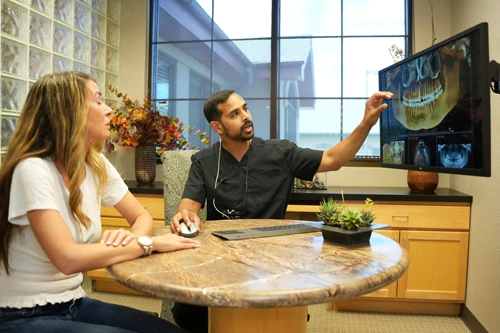
While bruxism cannot always be cured, its effects can be effectively managed. Dr. Cherry evaluates the impact of clenching and grinding on your periodontal health and may recommend:
- Custom night guard — a precisely fitted occlusal splint that protects teeth and distributes forces evenly during sleep
- Bite adjustment — selective reshaping of tooth surfaces to reduce uneven contact points
- Stress management — addressing the underlying triggers that contribute to daytime clenching
- Periodontal treatment — managing any gum disease that has been worsened by bruxism forces
Protecting Your Investment
If you have dental implants, crowns, or other restorations, managing bruxism is especially important. These restorations are not self-repairing like natural teeth — the forces from grinding can lead to fractures and failures that require costly replacement. A protective night guard is a small investment that can save significant expense and discomfort.
Contact Foundation Implants & Periodontics to discuss how we can help protect your teeth and gums from the effects of clenching and grinding.