
Building the Foundation for Successful Implants
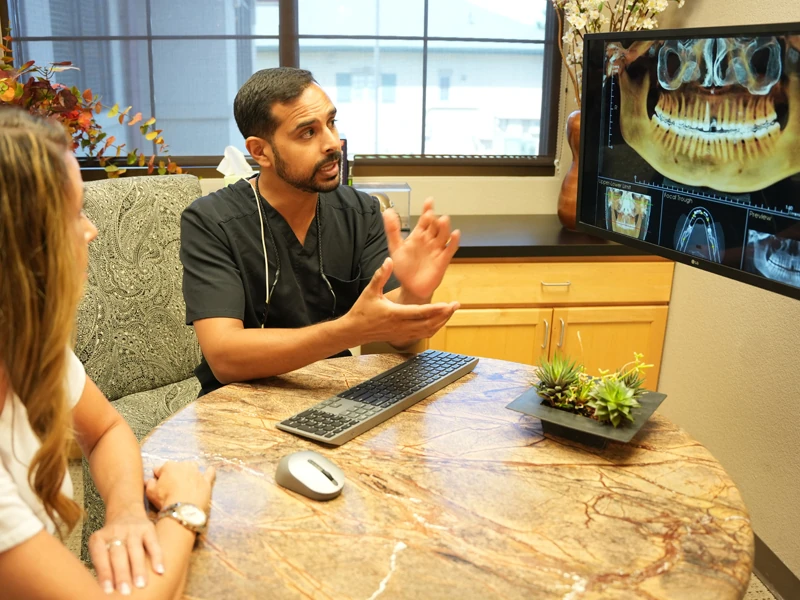
Successful dental implant placement depends on having adequate bone volume and density at the implant site. When bone has been lost due to tooth extraction, periodontal disease, trauma, or prolonged denture wear, implant site development procedures can rebuild the foundation needed for long-lasting implant success.
Dr. Cherry specializes in advanced bone and soft tissue augmentation techniques that prepare your jaw for optimal implant placement.
Why Is Site Development Necessary?
After a tooth is lost, the surrounding bone begins to resorb — often losing up to 25% of its width within the first year. This natural process can leave insufficient bone for implant placement. Site development procedures reverse or prevent this bone loss, creating the ideal conditions for implant success.
- Bone loss following tooth extraction
- Jawbone deterioration from long-term denture use
- Trauma or injury to the jaw
- Congenital defects affecting bone structure
- Bone destruction from advanced periodontal disease
Site Development Procedures
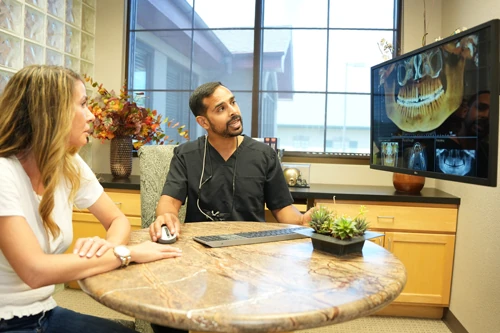
Ridge Augmentation
When the jawbone ridge has lost height or width, ridge augmentation uses bone grafting materials to rebuild the ridge to the dimensions needed for implant placement. This is one of the most common site development procedures.
Socket Preservation
Performed at the time of tooth extraction, socket preservation places bone graft material directly into the empty socket. This prevents the dramatic bone loss that typically follows extraction and maintains the site for future implant placement.
Block Bone Grafting
For more significant bone deficiencies, a block of bone — harvested from another area of the jaw or using donor material — can be secured to the deficient site. This technique is used when larger volumes of bone need to be regenerated.
Soft Tissue Augmentation
Healthy gum tissue is just as important as bone for implant success. Soft tissue grafting around the implant site creates a natural-looking gum contour and a protective seal that supports long-term implant health.
What to Expect
Site development is typically performed as an outpatient procedure with local anesthesia and optional sedation. Healing time varies based on the extent of grafting — generally 4 to 6 months to allow complete bone integration before implant placement. Dr. Cherry monitors your healing closely with follow-up appointments and imaging.
Bone Regeneration
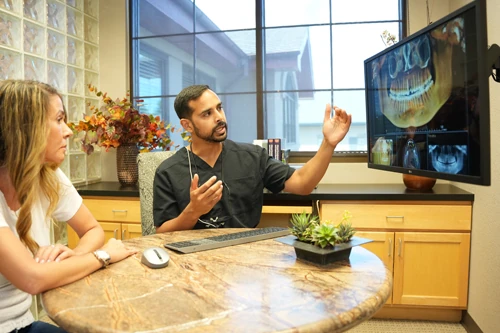
Guided bone regeneration (GBR) is a key component of implant site development. This surgical procedure uses barrier membranes and bone grafting materials to promote the growth of new bone in areas where it has been lost due to trauma, periodontal disease, or tooth extraction. The membrane prevents fast-growing soft tissue from invading the bone defect, giving the slower bone cells time to regenerate and fill the site.
GBR is frequently performed alongside or in preparation for dental implant placement, and is one of the most predictable techniques available for rebuilding bone volume. Dr. Cherry selects the most appropriate grafting materials and membrane type based on the size and location of your bone defect, ensuring optimal conditions for successful implant integration.
For more information about how bone and tissue regeneration supports implant success, or to find out if GBR is part of your treatment plan, schedule a consultation with Dr. Cherry.
Schedule a Consultation
If you’ve been told you don’t have enough bone for dental implants, site development may be the answer. Contact Foundation Implants & Periodontics to learn how we can build the foundation for your new smile.